The landscape of property technology is experiencing a massive and permanent shift.
The traditional standard of static image galleries, enhanced photos, and flat floor plans is no longer sufficient to capture the attention of modern consumers. The competitive edge now firmly belongs to platforms that offer true, interactive immersion. Photorealistic 3D real estate apps are at the forefront of this evolution, transforming passive property viewers into active participants within a vividly realized virtual space.
The Mechanics of True Virtual Immersion
At the core of a modern photorealistic 3D real estate platform is the concept of the “digital twin.” This is not merely a stitched-together panorama or a distorted wide-angle photograph. It is a fully rendered, interactive, mathematical model of a physical space.
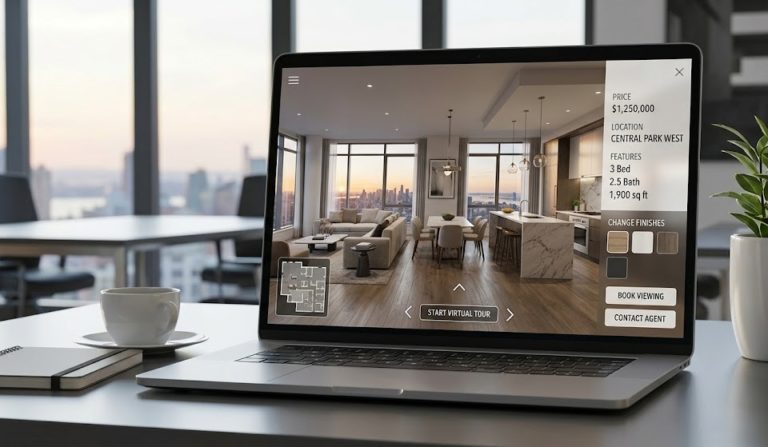
By leveraging advanced rendering technologies—often the same engines used in high-end video game development and architectural visualization—developers can create environments that are virtually indistinguishable from reality. Every element is calculated in real-time. The way natural sunlight filters through a window at a specific time of day, the reflective sheen on a marble kitchen island, and the exact texture of hardwood floors are all accurately simulated. This technological leap allows prospective buyers to perceive depth, scale, and spatial relationships just as they would if they were physically standing in the room.
Transforming the Traditional Real Estate Platform
Integrating a photorealistic 3D application into a real estate platform completely alters the user journey and significantly impacts platform metrics:
- Exponentially Increased Engagement: Users spend drastically more time on listings that feature interactive 3D models compared to those with only text and photos. This extended dwell time signals high interest and improves overall platform health.
- Frictionless Remote Exploration: Geographical boundaries are completely erased. International investors, relocating families, or buyers with demanding schedules can conduct thorough property inspections from their browsers or mobile devices, reducing the need for costly and time-consuming travel.
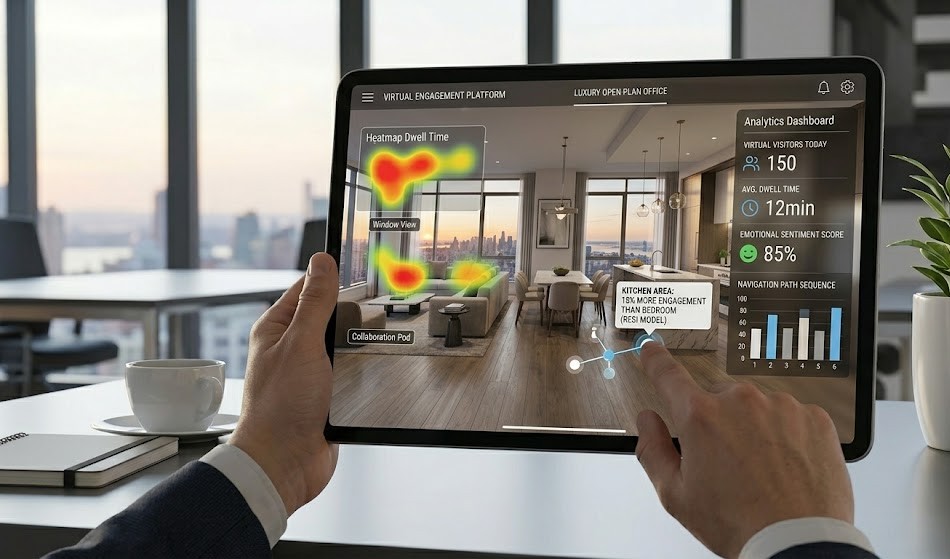
- Advanced Behavioral Analytics: Interactive 3D apps provide platform owners with unique data. By tracking how users navigate a virtual home—which rooms they linger in, which details they zoom in on—agents and developers gain unprecedented insights into buyer preferences and property highlights.
Strategic Advantages for Developers and Agents
For property developers, the ability to sell off-plan properties has always relied heavily on the buyer’s imagination. Photorealistic 3D applications bridge this imagination gap. Buyers can explore a fully furnished, beautifully lit home long before the physical construction begins. This emotional connection accelerates the sales cycle, builds buyer confidence, and secures capital much earlier in the development process.
Real estate agents also reap massive benefits. Virtual viewings act as an incredibly effective filter. When a client requests a physical walkthrough after experiencing a high-fidelity 3D tour, the agent knows they are dealing with a highly qualified, genuinely interested lead. This eliminates “window shoppers” and optimizes the agent’s valuable time.
Building the Infrastructure for the Future
Deploying a seamless, lag-free photorealistic 3D environment that operates smoothly directly within a web browser or a mobile application is a complex technical challenge. It requires sophisticated software engineering, optimized asset delivery, and a deep understanding of user interface design.
For companies looking to build, scale, or integrate these high-performance digital products, partnering with top-tier development teams is absolutely essential. You can explore advanced technological solutions and software engineering expertise tailored to modern digital platforms here: https://vinode.io/.
Redefining Property Acquisition
The real estate market is transitioning to a point where photorealistic 3D experiences will be the baseline expectation rather than a premium novelty. Consumers now demand transparency, autonomy, and unparalleled convenience in their property search. By adopting and integrating advanced 3D visualization applications, real estate platforms not only meet these elevated expectations but actively shape the future of how the world buys, sells, and interacts with real estate.
